Why engineering?

I came to engineering through the work.

By the time I started university, I had already spent years building homes, working around oilfield pressure equipment, and moving aircraft. Those jobs made mechanical systems important to me long before I knew the equations behind them.

I kept coming back to the same questions: why a system behaved the way it did, why one design made work easier or safer, and how I could move from building and operating equipment to helping design it.

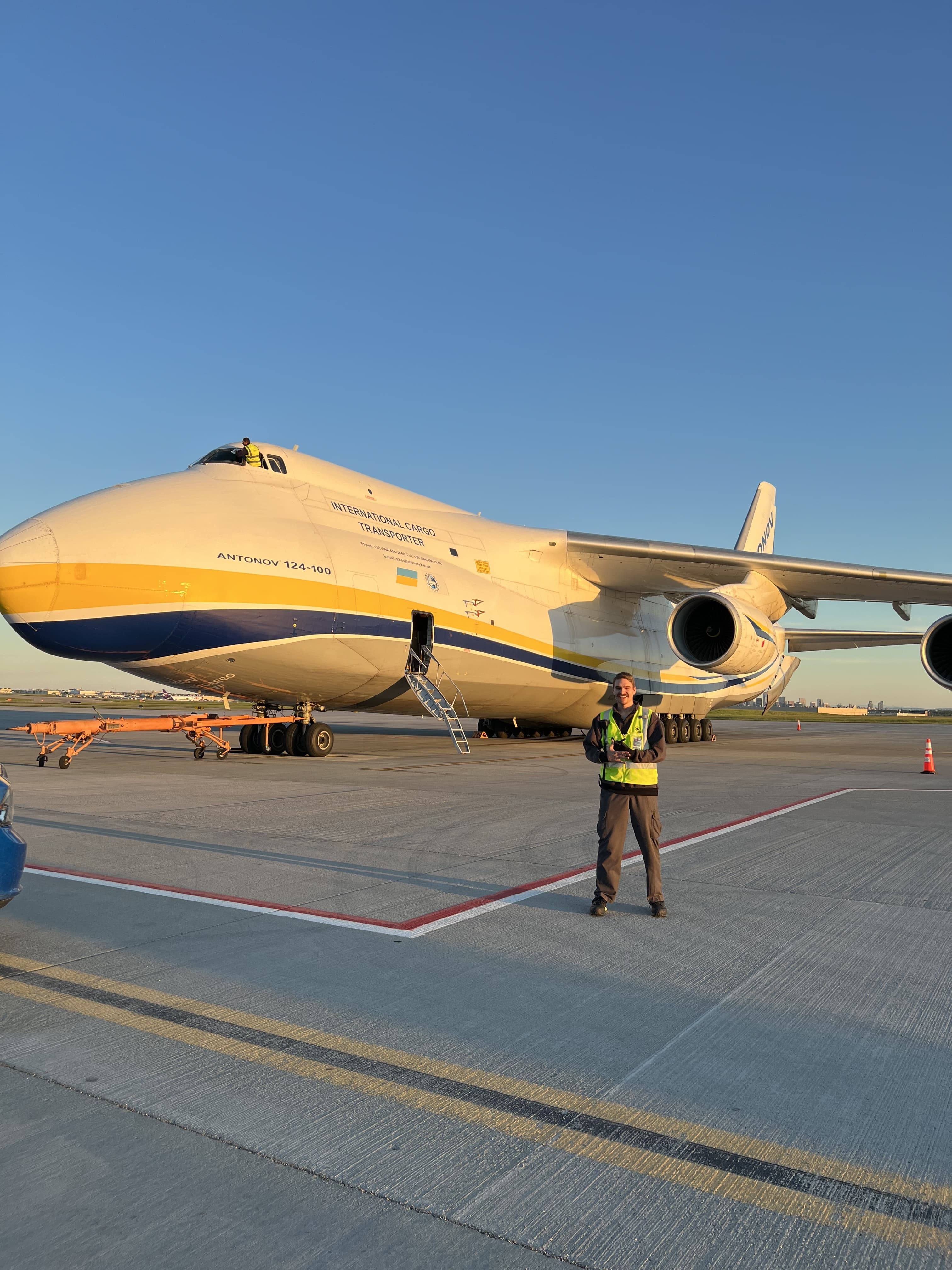
Justice Browatzke standing on an airport ramp in front of an Antonov An-124 cargo aircraft.
An Antonov An-124 on the Calgary ramp
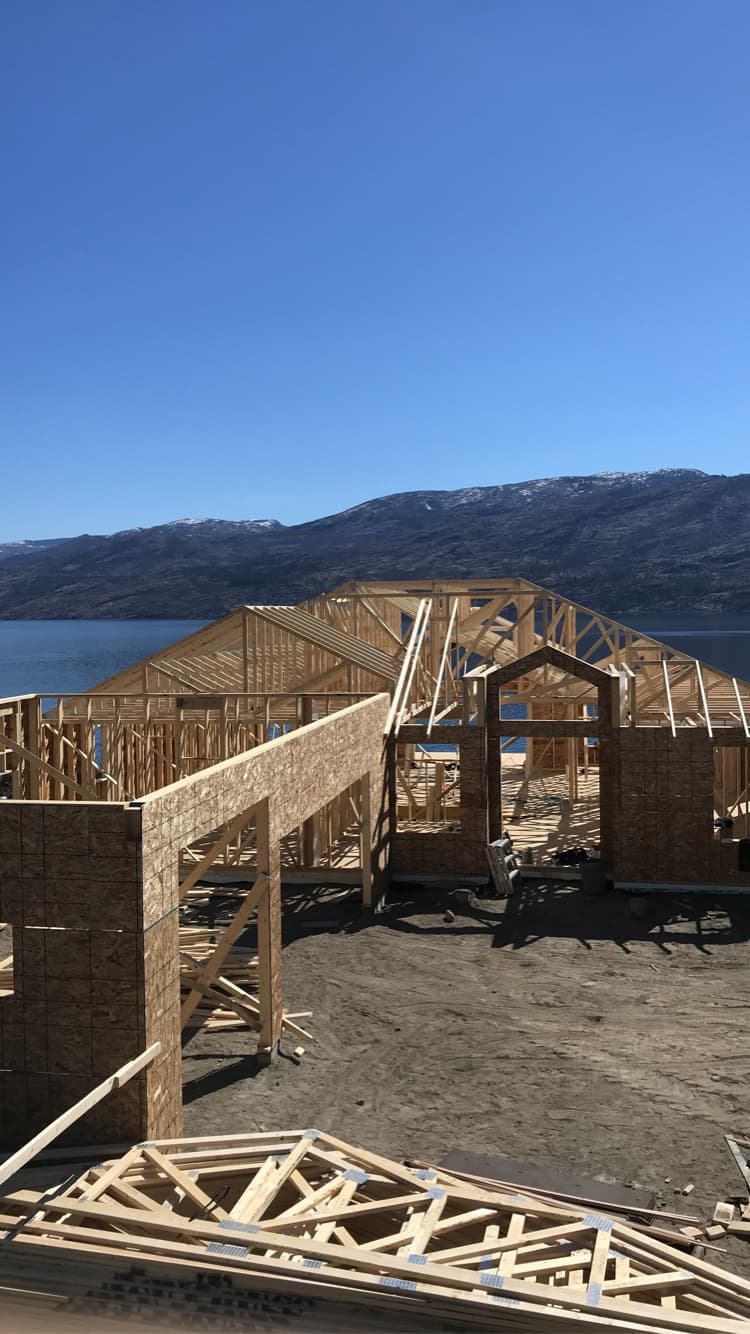
A custom wood-frame home under construction beside Okanagan Lake.
Custom-home framing in British Columbia
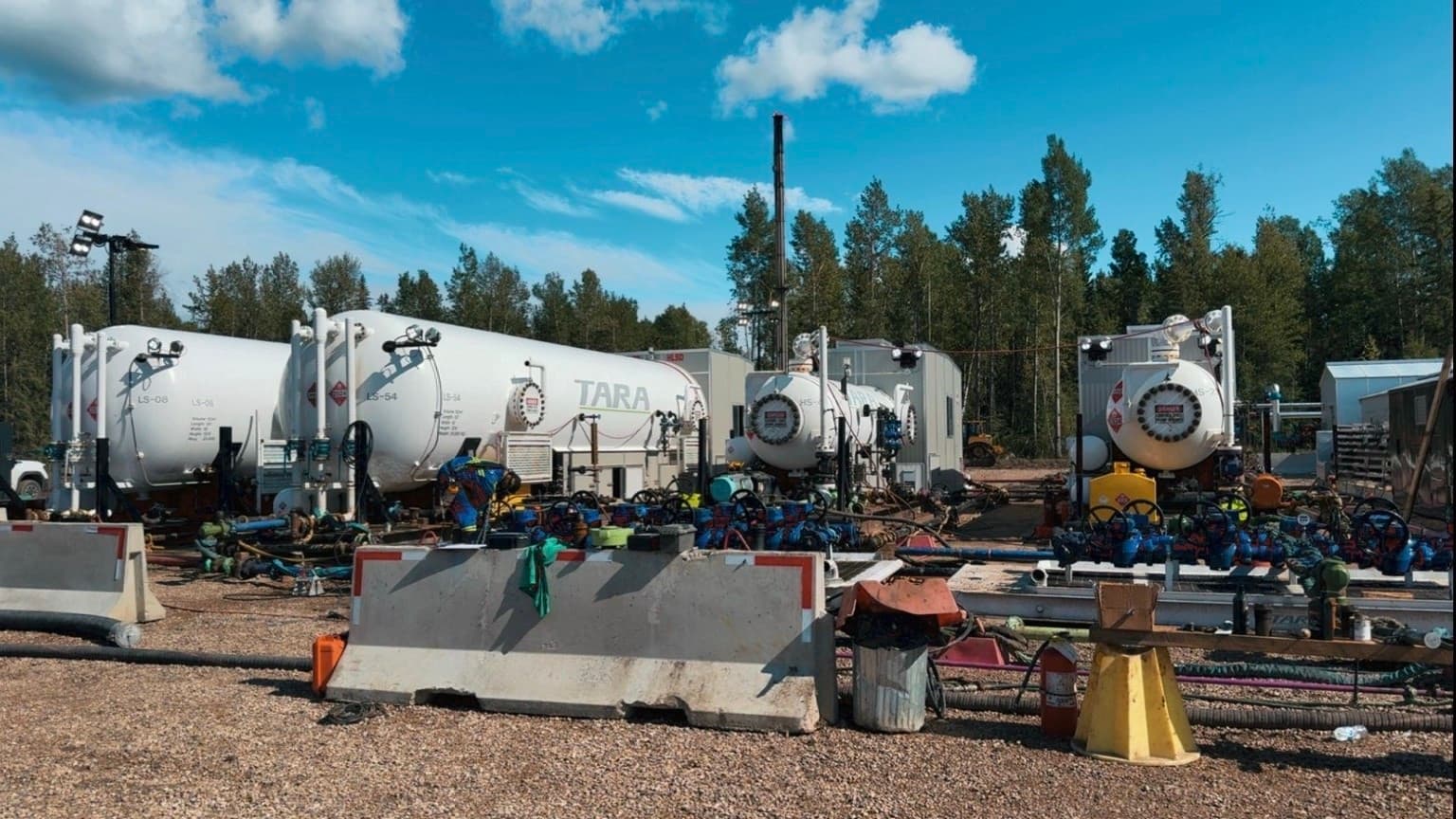
Pressure-rated flow lines, manifolds, and test equipment on an Alberta oilfield pad.
Pressure-rated field equipment near Fox Creek

The work that came first

The work that led me to engineering

The reason I chose engineering is easier to explain through the jobs that changed how I looked at mechanical systems.

A custom wood-frame home under construction beside Okanagan Lake.
Custom-home framing in British Columbia
01

Construction

Building homes made design practical.

I spent years in residential construction and eventually ran a framing business. On site, a drawing was only the beginning. I had to think through the order of the work, material deliveries, weather, access, tolerances, inspections, and how to keep a crew moving. When something on paper met a real wall, roof, or foundation, the gap became obvious.

That experience is why I pay attention to whether a design can actually be built, inspected, and worked on.

Pressure-rated flow lines, manifolds, and test equipment on an Alberta oilfield pad.
Pressure-rated field equipment near Fox Creek
02

Oilfield operations

In the oilfield, the numbers were operating limits.

During well testing and wireline work, pressure, flow, temperature, and equipment ratings were part of the shift, not numbers in a textbook. I worked around high-pressure lines, separators, manifolds, changing well conditions, and H₂S procedures. Good notes and clear handoffs mattered because the next crew had to understand what the system had been doing.

When I later studied fluid mechanics and thermodynamics, I already understood why those measurements mattered.

Justice Browatzke standing on an airport ramp in front of an Antonov An-124 cargo aircraft.
An Antonov An-124 on the Calgary ramp
03

Aviation

Aviation made the connection hard to ignore.

At the airport, I inspect towing interfaces, move aircraft, and coordinate with ramp, maintenance, flight crews, and ground control. A safe move depends on everyone understanding their role and speaking up when something is off. Working around aircraft while studying engineering has made the connection between design, maintenance, procedures, and people impossible to miss.

It is also where I most clearly see the kind of engineer I want to become: technically capable, practical, and dependable.

Why I went back to school

I wanted to understand more than the procedure.

The longer I worked around equipment, drawings, and operating problems, the less satisfied I was with only knowing the next step. I wanted the analysis behind the procedure: why a choice worked, where its limits were, and what could make it better. Going back to school was not about leaving the practical work behind. It was about adding the knowledge to contribute earlier, when systems are being designed and decisions are being made.

What started to click in school

The homes I framed
Loads, materials, tolerances, manufacturing, and buildability
The pressure equipment I worked around
Fluid flow, heat transfer, instrumentation, and operating limits
The aircraft I help move
Reliability, interfaces, procedures, communication, and human factors
The people I met while volunteering at a children's hospital
Design choices that remain connected to the people they affect

The next step

I am ready to put that foundation to work.

I am looking for an internship or co-op where I can learn from experienced engineers and contribute to work with real constraints, real users, and a clear standard for doing the job properly.

I know I still have a lot to learn. I also know how to work around equipment and worksites, follow procedures, communicate under pressure, and take responsibility for the work in front of me.

Back to top